


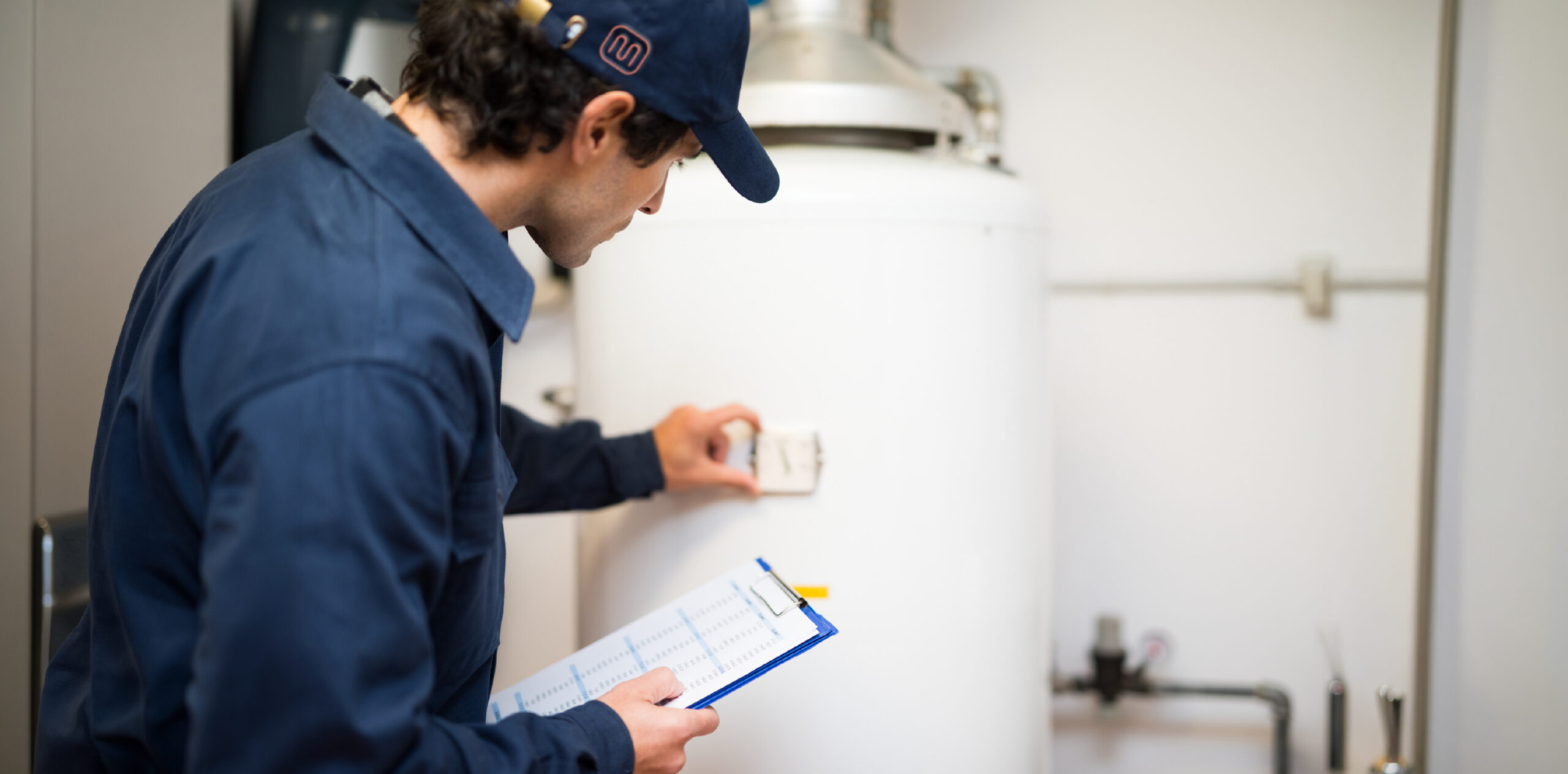
Water Heater Repair vs Replacement
When it comes to water heater repair vs. replacement, the right choice depends on your unit’s age, symptoms, repair history, efficiency, and overall condition. Minor issues in a newer water heater are often worth repairing. Recurring problems in an older tank usually point to replacement. Modern Heating and Air can assess your system and help you decide.
A reliable water heater tends to stay out of sight and out of mind until it starts making itself known.
Maybe your shower turns cold too quickly. Maybe the tank starts making popping or rumbling sounds. Maybe the hot water looks rusty, smells unusual, or your utility bill climbs without a clear reason.
Most water heaters provide clues before they fail completely. Paying attention to those warning signs can help you address an issue while it is still manageable. It can also help you avoid an inconvenient loss of hot water and make a more informed choice between repair and replacement.
Modern Heating and Air, the Flow Pros for all your water woes, can evaluate your system, explain the issue clearly, and help you choose the right next step.
Water Heater Repair vs Replacement: Warning Signs
A water heater problem does not always start with a total breakdown. In many cases, the warning signs show up slowly.
Here are the main signs homeowners should watch for.
Reduced Hot Water Supply
One common warning sign is a reduced supply of hot water.
If your household used to get through a full shower comfortably, but the water now turns cold much sooner, something may be wrong. The heating element, thermostat, burner, or another component may not be working as it should.
This can also happen as sediment builds up inside the tank. Over time, the unit may struggle to recover between uses. That means less hot water when your household needs it most.
A repair may make sense if the unit is newer and the issue is isolated. For example, a faulty thermostat or heating element may be fixable.
Replacement may make more sense if the water heater is older, has recurring performance issues, or no longer provides enough hot water for your home.
Popping, Rumbling, or Banging Noises
Sounds coming from the tank are another reason to schedule an evaluation.
Popping, rumbling, or banging often points to sediment collecting near the bottom of the tank. That buildup can make the water heater work harder to produce hot water.
These noises are not something to ignore just because the appliance is aging. Sediment can reduce efficiency. It may also shorten the useful life of the water heater.
Minerals in the water supply can settle inside a tank over time. As sediment builds up, it can trap water and make it harder for the system to heat efficiently.
The U.S. Department of Energy notes that water heater maintenance may include draining and flushing to reduce sediment, support efficiency, and help extend equipment life.
Routine tank draining may help limit sediment accumulation. The client draft recommends draining the tank roughly every six months to reduce buildup and support long-term performance.
However, if a water heater is older or has not been maintained in years, it is smart to have a professional look at it first. A technician can help determine the safest next step.
Rusty, Cloudy, or Smelly Hot Water
The water itself can offer important clues.
Rust-colored or discolored hot water may indicate corrosion inside the tank. Corrosion does not correct itself, so it is worth investigating before it leads to a larger problem.
Cloudy water can also point to mineral buildup, sediment, or other water quality concerns.
An unusual odor is another warning sign. A sulfur-like smell may indicate bacterial growth, which can develop when the water does not stay hot enough to discourage it.
If hot water is rusty, cloudy, or has an unfamiliar smell, arrange an inspection promptly. Modern Heating and Air can help identify what may be affecting the water heater and recommend an appropriate next step.
Rising Energy Costs
Some water heater concerns do not show up right away at the faucet. Instead, the first sign may appear on your utility bill.
As a water heater ages or develops sediment buildup, it may require more energy to heat the same amount of water. It may still appear to be working, but the added effort can increase operating costs.
If household water use has stayed consistent but energy costs have risen, your water heater may be one possible cause.
Look at rising energy costs alongside other symptoms, including:
- Inconsistent water temperature
- Noises from the tank
- Reduced hot water supply
- Rusty or cloudy hot water
- A unit nearing or past 10 years old
- More frequent service calls
The more signs you notice together, the more important the water heater repair vs. replacement decision becomes.
How Long Does a Water Heater Last?
Many conventional tank-style water heaters last about 8 to 12 years.
Age is not the only factor in a repair-or-replace decision, but it provides helpful context. A newer unit with one minor issue is very different from an older tank with declining performance.
Water heater lifespan can depend on:
- Maintenance history
- Water quality
- Household hot water demand
- Installation quality
- Tank size
- Sediment buildup
- Corrosion
An older water heater may still be worth repairing when the issue is limited and the unit has otherwise performed reliably.
However, age matters more when it is paired with recurring repairs, declining efficiency, rusty water, or a tank that no longer provides enough hot water.
If you do not know when your water heater was installed, a professional assessment can help clarify its age and overall condition.
When Water Heater Repair Makes Sense
Water heater repair may be the right call when the issue is isolated, the unit is relatively young, and the system has been reliable.
Repair may make sense if:
- The unit is under 8 years old
- The issue is minor
- The tank is not leaking
- The water is not rusty
- The system has a clean service history
- The repair cost is reasonable
- Hot water performance has otherwise been consistent
Examples of repair-friendly issues may include a faulty thermostat, heating element, valve, or other replaceable part.
In these cases, repair can extend the life of the system without forcing a larger investment too soon.
When Water Heater Replacement Makes Sense
Water heater replacement often becomes the better long-term choice when age, symptoms, and repair history all point in the same direction.
Replacement may make sense if:
- The tank is nearing or past 10 years old
- Repairs are becoming frequent
- Efficiency has noticeably declined
- The tank is leaking
- Hot water supply is no longer enough
- Water is rusty or discolored from the hot side
- Sediment buildup is causing recurring problems
- Repair costs are starting to add up
At that point, another repair may only buy a little time.
A new water heater can provide more reliable hot water, improved efficiency, and the reassurance of a fresh warranty. For many homeowners, those benefits make replacement the more comfortable long-term option.
How Modern Heating and Air Helps You Decide
A decision between water heater repair and water heater replacement should not rest on one symptom alone.
Modern Heating and Air looks at the full picture.
That includes:
- Water heater age
- Tank condition
- Current symptoms
- Repair history
- Energy use
- Water quality concerns
- Household hot water needs
- Installation options
The goal is not to push replacement if a repair makes sense. It is also not to recommend another expensive repair on a system that is likely to fail again soon.
The goal is to give you a clear answer.
Modern Heating and Air, the Flow Pros for all your water woes, can evaluate the system, explain what is happening, and help you compare repair with the practical benefits of a new water heater installation.
Schedule a Water Heater Assessment
You do not need to wait for a complete breakdown before having your water heater checked.
If you are dealing with unreliable hot water, tank noises, discolored water, rising utility costs, or questions about the age of your equipment, contact Modern Heating and Air to schedule an appointment.
The Modern Heating and Air team can assess your water heater and help you decide whether repair or replacement is the better next move for your home.
Call Modern Heating and Air at (515) 635-5525 or book at modernhvacservices.com.
FAQs
How do I know if I need water heater repair or replacement?
Start with the unit’s age, symptoms, and repair history. A newer unit with a minor issue may be worth repairing. An older tank with recurring problems, rusty water, leaks, or declining efficiency may be better to replace.
How long does a water heater last?
Many conventional tank-style water heaters last about 8 to 12 years. Lifespan can vary based on maintenance, water quality, installation, household demand, and sediment buildup.
Is it worth repairing a water heater over 10 years old?
Sometimes, but often not. Once a water heater passes the 10-year mark, recurring repairs become more likely and efficiency may decline. If the repair is costly or the tank has other warning signs, replacement may be the better long-term option.
What are signs my water heater is failing?
Common signs include reduced hot water, popping or rumbling noises, rusty or cloudy hot water, unusual odors, rising energy bills, leaks, and inconsistent water temperature.
Can sediment buildup damage a water heater?
Yes. Sediment can collect at the bottom of the tank, reduce efficiency, cause popping or rumbling noises, and place added stress on the system over time.
How long does water heater replacement take?
Most water heater replacements can be completed in a single day, depending on the complexity of the installation and any needed adjustments to plumbing, venting, or connections.