


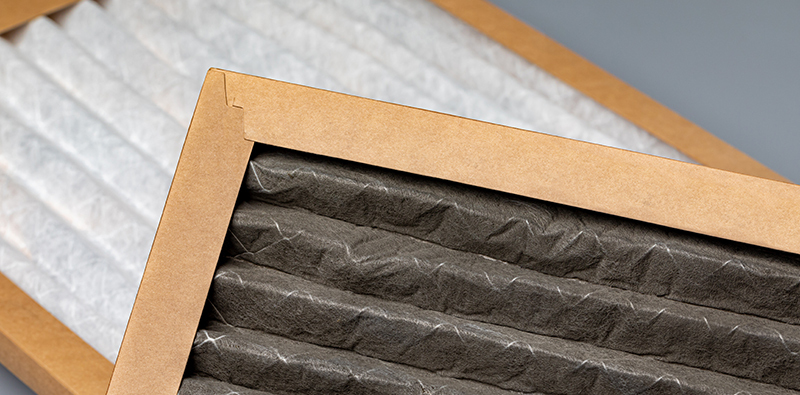
When to Replace a Furnace Filter
You walk past the thermostat, hear the furnace turn on, and a familiar thought pops into your head. When was the last time I changed the filter? If you have ever wondered when to replace a furnace filter component in your home, you are not alone. It is one of the easiest maintenance tasks to forget because it is out of sight, but it plays a major role in how your HVAC system performs.
Replacing your furnace filter on time helps support airflow, maintain indoor air quality, and reduce unnecessary strain on your heating and cooling equipment. The key is understanding how often it should be done and what factors might change that schedule.
When to Replace a Furnace Filter in Central Iowa Homes
At Modern Heating and Air, we keep our recommendations practical for Des Moines and surrounding communities. Most homes fall into one of these general categories:
1-inch disposable filters: Plan to replace these every month. Thinner filters clog faster and can quickly restrict airflow if ignored.
4-inch or thicker media filters: These can often last around four months under normal conditions because they have more surface area to capture dust and debris.
These are starting points, not strict rules. Real households rarely operate under “perfect” conditions. Your home environment may require more frequent checks. Several factors might mean you need to swap yours out sooner.
Why Your Schedule May Need Adjustment
Understanding when to replace a furnace filter depends on how your system is being used and what is circulating through your home.
Pets and Shedding
Pet hair and dander are tough on HVAC systems. Even one shedding dog or cat can shorten filter life significantly. If you have multiple pets, check your filter every few weeks instead of waiting the full month.
Allergies and Respiratory Concerns
If someone in your home experiences seasonal allergies, asthma, or other respiratory sensitivities, clean air becomes even more important. Filters that appear only moderately dirty may still be circulating irritants. In these situations, replacing them sooner rather than later can help maintain cleaner airflow.
Renovations and Dust Events
Home remodeling projects generate an enormous amount of dust. Drywall sanding, flooring installation, and demolition work can overload a filter in a matter of days. If you complete any construction project inside your home, replace the filter immediately afterward.
Outdoor factors matter too. Heavy pollen seasons or nearby construction can also increase airborne particles entering your home.
Peak Heating and Cooling Seasons
During cold Iowa winters and hot, humid summers, your HVAC system runs longer and cycles more air. The more air that moves through your system, the faster the filter collects debris. It is common for filters to load up more quickly during January cold snaps or July heat waves.
What Happens If You Wait Too Long?
Many homeowners underestimate the impact of a clogged filter. When airflow becomes restricted, your system must work harder to move air through your ductwork. Over time, this additional strain can contribute to:
- Reduced airflow at vents
- Uneven temperatures throughout the home
- Increased energy consumption
- Short cycling or overheating
- More frequent service needs
While a dirty filter does not automatically cause major system failure, consistently neglecting replacements can increase wear on components. Here are some good tips:
Choosing the Right Type of Furnace Filter
Another part of knowing when to replace a furnace filter unit is understanding what kind you are using.
Basic Fiberglass Filters
These inexpensive filters are easy to spot. They have a thin, web-like appearance and are often the lowest cost option. They capture larger debris but allow smaller particles to pass through. Monthly replacement is essential.
Pleated 1-Inch Filters
Pleated filters typically have higher MERV ratings, meaning they capture more dust, pollen, and smaller particles. They provide better filtration than fiberglass, but still require monthly chec
4-Inch Media Filters
If your system housing allows it, thicker media filters offer extended life and improved dust capture. Because of their larger surface area, they can often last up to four months in normal conditions. Even so, they should still be inspected regularly.
If you are unsure what filter size or MERV rating your system requires, a professional can verify compatibility. Using a filter that is too restrictive for your equipment can reduce airflow.
A Simple Monthly Routine That Works
The easiest way to stay consistent is to build a simple habit.
Perform the light test: Remove the filter and hold it up to a light source. If light barely passes through, it is time to replace it.
Write the install date: Mark the date on the frame of the new filter. This small step eliminates guesswork.
Keep extras nearby: Store replacement filters in your utility room so you are not making emergency trips to the store.
When homeowners make this part of their monthly home checklist, it becomes second nature.
Warning Signs Your Filter Is Overdue
Your house often provides clues before serious problems develop. Check the filter if you notice:
- Visible dust accumulating soon after cleaning
- Reduced airflow from supply vents
- Increased allergy symptoms indoors
- Unusual noises from the furnace or air handler
- Stale or musty odors
If you see one or more of these signs, inspect the filter first before assuming a larger mechanical issue.
Safety Tips Before You Replace It
Before replacing a filter:
- Turn off the system at the thermostat
- Confirm the airflow arrow points toward the furnace
- Make sure the filter fits snugly with no gaps
Improper installation allows unfiltered air to bypass the system entirely.
When to Replace a Furnace Filter Versus Scheduling Maintenance
It is important to understand that replacing filters does not replace professional maintenance. Even if you stay on top of filter changes, your HVAC system still benefits from annual inspections.
Routine service includes:
- Checking electrical connections
- Inspecting blower components
- Evaluating airflow and duct condition
- Verifying safe operation
If your system continues to struggle despite clean filters, there may be underlying airflow, duct, or equipment concerns that need attention.
Modern Heating and Air provides seasonal maintenance services for homeowners in Des Moines and across Central Iowa. A professional evaluation ensures your system is operating as designed for the season ahead.
Final Thoughts
Do not overthink it. Check your filter every month. Replace 1-inch filters monthly and thicker media filters around every four months, adjusting for pets, allergies, heavy usage, or renovations.
Knowing when to replace a furnace filter component protects your comfort and helps your heating and cooling equipment operate more efficiently. Small maintenance habits can go a long way toward preventing avoidable service calls.
If you are unsure about your filter type, system performance, or maintenance schedule, Modern Heating and Air is ready to help. Our team has served Des Moines and surrounding communities for more than 15 years, providing practical guidance and reliable residential HVAC service.
Call Modern Heating and Air at 515-635-5525 to schedule maintenance or ask questions about your system. Let us help you FEEL GOOD INSIDE.