


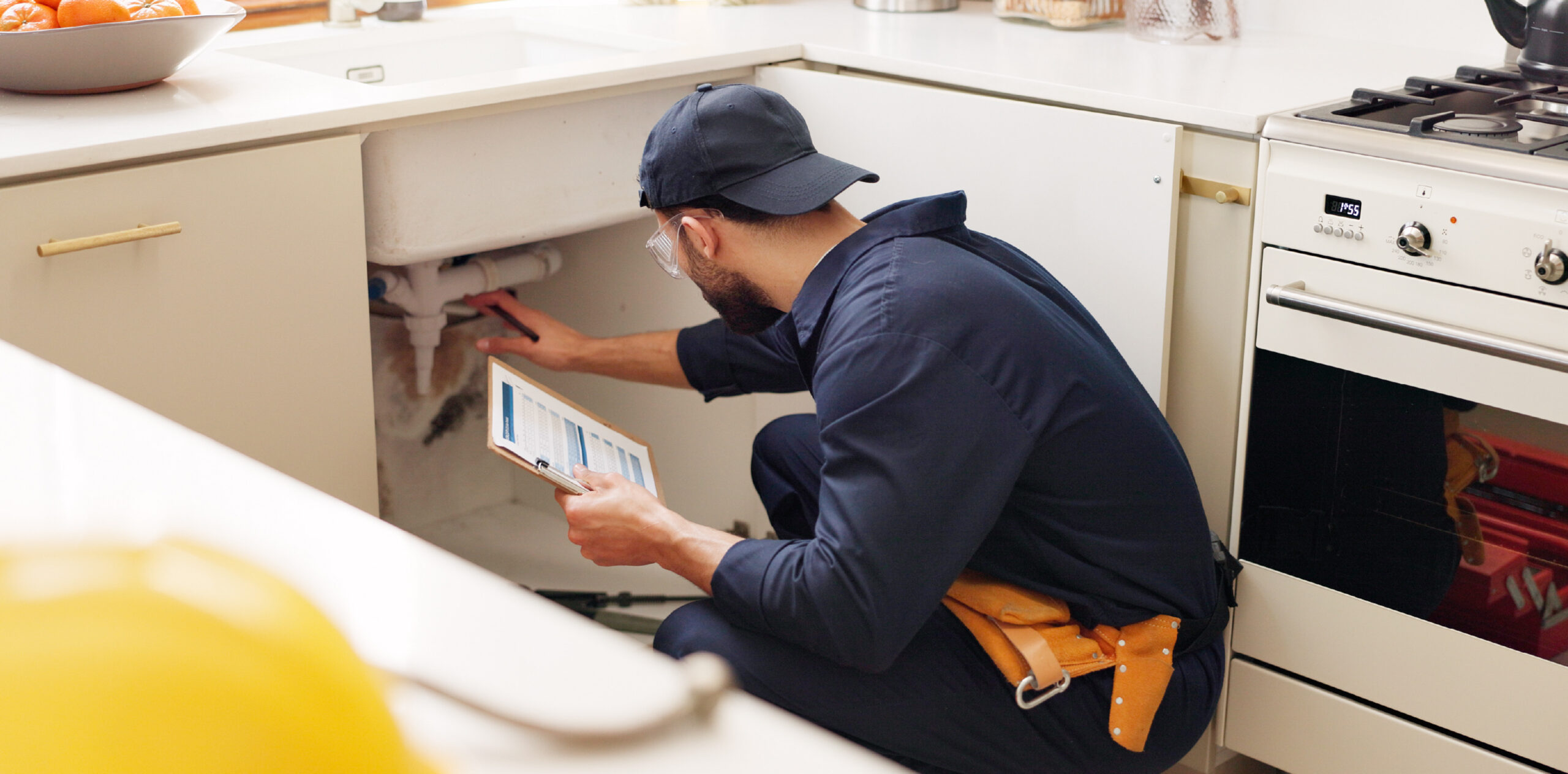
Annual Plumbing Inspection
We have all been there. You hear a faint drip in the middle of the night and try your best to ignore it. Or maybe the sink takes just a little longer to drain than it used to. Small plumbing annoyances are easy to push to the back of your mind. But these little warning signs are often the early signals that something bigger may be developing behind the walls of your home. That is exactly why an annual plumbing inspection can be so valuable for homeowners who want to stay ahead of expensive repairs.
At Modern Heating and Air, we believe in being proactive rather than reactive. You change the oil in your car and schedule regular HVAC maintenance to keep your system running smoothly. Your home’s plumbing system deserves the same attention. A yearly inspection helps identify small issues before they turn into emergencies, giving you peace of mind that everything is working the way it should.
What Is an Annual Plumbing Inspection?
An annual plumbing inspection is essentially a complete health check for your home’s water system. Instead of waiting for a pipe to burst or a leak to cause visible damage, a trained technician evaluates the plumbing system to find potential problems early.
During the inspection, a plumber carefully checks pipes, fixtures, water pressure, drains, and appliances connected to your plumbing system. The goal is to catch small problems such as developing leaks, corrosion, or blockages before they grow into costly repairs.
A professional inspection can help homeowners:
- Prevent surprise plumbing emergencies
- Protect the home from water damage and mold growth
- Keep drains and pipes flowing properly
- Extend the life of plumbing equipment
- Reduce wasted water and rising utility bills
Many plumbing failures develop slowly over time. Regular inspections give homeowners the opportunity to address issues before they become disasters.
Water Supply and Pressure Check
Water pressure plays a major role in the health of your plumbing system. Most homeowners appreciate strong water pressure, but too much pressure can actually place significant strain on pipes, valves, and fixtures.
During an inspection, a technician measures water pressure throughout the home to ensure it falls within a safe range. Excessive pressure can cause fittings to weaken and appliances such as water heaters or washing machines to wear out faster.
Another important step is testing the main shut off valve. In the event of a major leak, being able to quickly stop the water supply can prevent severe damage.
Technicians may also perform a water meter test. If the meter continues moving when all water fixtures are turned off, it could indicate a hidden leak somewhere in the system.
Fixtures, Faucets, and Appliances
That slow drip from a bathroom faucet might not seem like a big deal, but even a small leak can waste hundreds of gallons of water each month. Over time, those small leaks can add up on your water bill.
During a plumbing inspection, each fixture in the home is checked carefully. This includes sinks, showers, tubs, toilets, and outdoor spigots. Technicians look for small leaks, worn seals, and loose connections that may eventually fail.
Toilets are also inspected to make sure they flush properly and do not run continuously. Even a toilet that runs quietly can waste a surprising amount of water.
Appliances that connect to your plumbing system are checked as well. Dishwashers, washing machines, and refrigerators all rely on water supply lines that can develop leaks or corrosion over time.
Drains and Venting Systems
Slow drains are often an early warning sign that a blockage is forming somewhere in the plumbing system. Gurgling sounds or unpleasant odors can also indicate that the system is not venting properly.
A plumbing inspection includes checking drains throughout the home to make sure water flows quickly and efficiently. Early stage clogs can often be identified before they lead to a complete backup.
Vent pipes are another critical part of the plumbing system. These pipes allow air to move through the system so water and waste can drain properly. If vents are blocked or damaged, it can create pressure problems that affect drainage throughout the home.
Identifying these issues early helps maintain proper plumbing performance.
The Hardest Working Appliance in the Home
Your water heater works every day to provide hot water for showers, dishes, and laundry. Because it operates constantly, it is also one of the most common sources of plumbing related water damage.
During an inspection, technicians evaluate the water heater for signs of corrosion, sediment buildup, and worn components. Sediment accumulation inside the tank can reduce efficiency and shorten the life of the heater.
The temperature and pressure relief valve is also inspected. This safety feature is designed to release pressure if the tank overheats or becomes over pressurized.
Checking these components regularly helps prevent unexpected failures that could lead to flooding or expensive repairs.
Outdoor Plumbing and Safety Checks
Your plumbing system does not stop at the walls of your home. Outdoor plumbing fixtures also require attention, especially as seasonal weather changes.
During an annual plumbing inspection, technicians check outdoor faucets for leaks and signs of damage. Moisture around the foundation of the home may also indicate hidden leaks in exterior plumbing.
Sump pumps are another important safety feature in many homes. If your basement relies on a sump pump to manage groundwater, testing the pump helps ensure it will function properly during heavy rain.
Some homeowners also choose to install smart water monitoring devices that can automatically shut off the main water supply if a large leak is detected. These systems add another layer of protection when homeowners are away.
Why Preventative Plumbing Maintenance Matters
Many homeowners only call a plumber when something breaks. Unfortunately, plumbing emergencies rarely happen at convenient times.
An annual plumbing inspection allows problems to be identified while they are still small and manageable.
Preventative maintenance offers several advantages:
Avoiding costly repairs. Fixing a minor leak early is far less expensive than repairing water damage caused by a burst pipe.
Lower water bills. Small leaks can waste significant amounts of water over time. Identifying them early helps reduce unnecessary water usage.
Protecting your home’s structure. Undetected water leaks can damage flooring, drywall, and even the structural components of your home.
Extending the life of plumbing equipment. Proper maintenance helps appliances such as water heaters and fixtures last longer.
Maintaining property value. A well maintained plumbing system contributes to the overall value and reliability of a home.
By investing a little time in preventative maintenance each year, homeowners can avoid many of the most common plumbing disasters.
Schedule Your Annual Plumbing Inspection
Most plumbing problems do not appear overnight. They develop slowly behind the scenes until a small leak or clog eventually becomes a major repair.
Scheduling an annual pluming inspection allows homeowners to stay ahead of these issues and gain peace of mind that their plumbing system is functioning properly.
At Modern Heating and Air, our goal is simple. We provide clear, honest information so homeowners can make smart decisions about their homes. When plumbing systems are inspected regularly and maintained properly, families can enjoy a safer and more comfortable living environment.
If you want to protect your home from unexpected plumbing problems, a yearly inspection is one of the easiest and most effective steps you can take.
Limited-Time Offer to Get You Started
Ready to protect your home and gain some peace of mind? We want to make it easy for you.
Now through April 30, 2026, get $75 OFF any plumbing repairs found during your inspection. Call one of the Flow Pro’s today at 515-635-5525 to schedule your annual plumbing inspection. Let’s solve problems before they even start, so you can continue to Feel Good Inside.
Frequently Asked Questions
How often should a plumbing inspection be done?
Most homeowners benefit from scheduling a plumbing inspection once per year. Regular inspections allow plumbers to identify small problems before they turn into costly repairs.
How long does a plumbing inspection take?
A typical plumbing inspection usually takes between 60 and 90 minutes depending on the size of the home and the complexity of the plumbing system.
What problems can a plumbing inspection find?
Inspections can uncover hidden leaks, corrosion, water pressure problems, early stage drain clogs, failing fixtures, and issues with appliances such as water heaters.
Is a plumbing inspection necessary if nothing seems wrong?
Yes. Many plumbing issues develop slowly and remain hidden until significant damage occurs. Routine inspections help detect these problems early so they can be addressed before they become emergencies.