


Galvanized Pipe Replacement Guide
If your home still has original galvanized steel plumbing, this Galvanized Pipe Replacement Guide can help you understand what your pipes may be trying to tell you. Maybe your water runs brown for a few seconds in the morning. Maybe your shower pressure has slowly gotten weaker over the years. Or maybe you have had one “small” plumbing leak too many.
These issues often point to aging galvanized pipes, which are common in older homes across Des Moines, Ames, Ankeny, West Des Moines, and nearby Central Iowa communities. While galvanized pipes were once a standard plumbing material, they were never designed to last forever.
The good news is that repiping can solve many of these problems at the source. Instead of patching the same issues again and again, galvanized pipe replacement can help restore water flow, improve reliability, and reduce the risk of future plumbing damage.
In this guide, we’ll walk through the signs your home may need repiping, the health and safety concerns tied to old galvanized plumbing, your material options, expected costs, and what it is like to work with Modern Heating and Air. If you have been wondering whether replacing old pipes is worth it, this will help you make a confident next move.
Why Galvanized Pipes Become a Problem
Galvanized steel pipes were commonly used in residential plumbing for decades. They are steel pipes coated with zinc to help protect against corrosion. That coating helps for a while, but over time, it wears down.
Once the zinc coating breaks down, the steel underneath can begin to corrode. Rust, minerals, and buildup collect inside the pipe walls. As that buildup grows, the space for water to move through gets smaller.
That can lead to several problems, including:
- Lower water pressure
- Rusty or discolored water
- Metallic taste or odor
- Frequent leaks
- Clogged fixtures
- Reduced plumbing performance
This is especially important for homes built before the 1970s that have not had major plumbing updates. In many cases, the pipes may look fine from the outside while serious corrosion is building inside.
That is why a Galvanized Pipe Replacement Guide is useful for older Central Iowa homes. Repiping is not just about swapping out old materials. It is about protecting your home, improving water quality, and preventing bigger repair costs later.
Signs Your Home May Need Repiping
Old plumbing usually gives off warning signs before it fails completely. The key is knowing what to watch for and not ignoring the early symptoms.
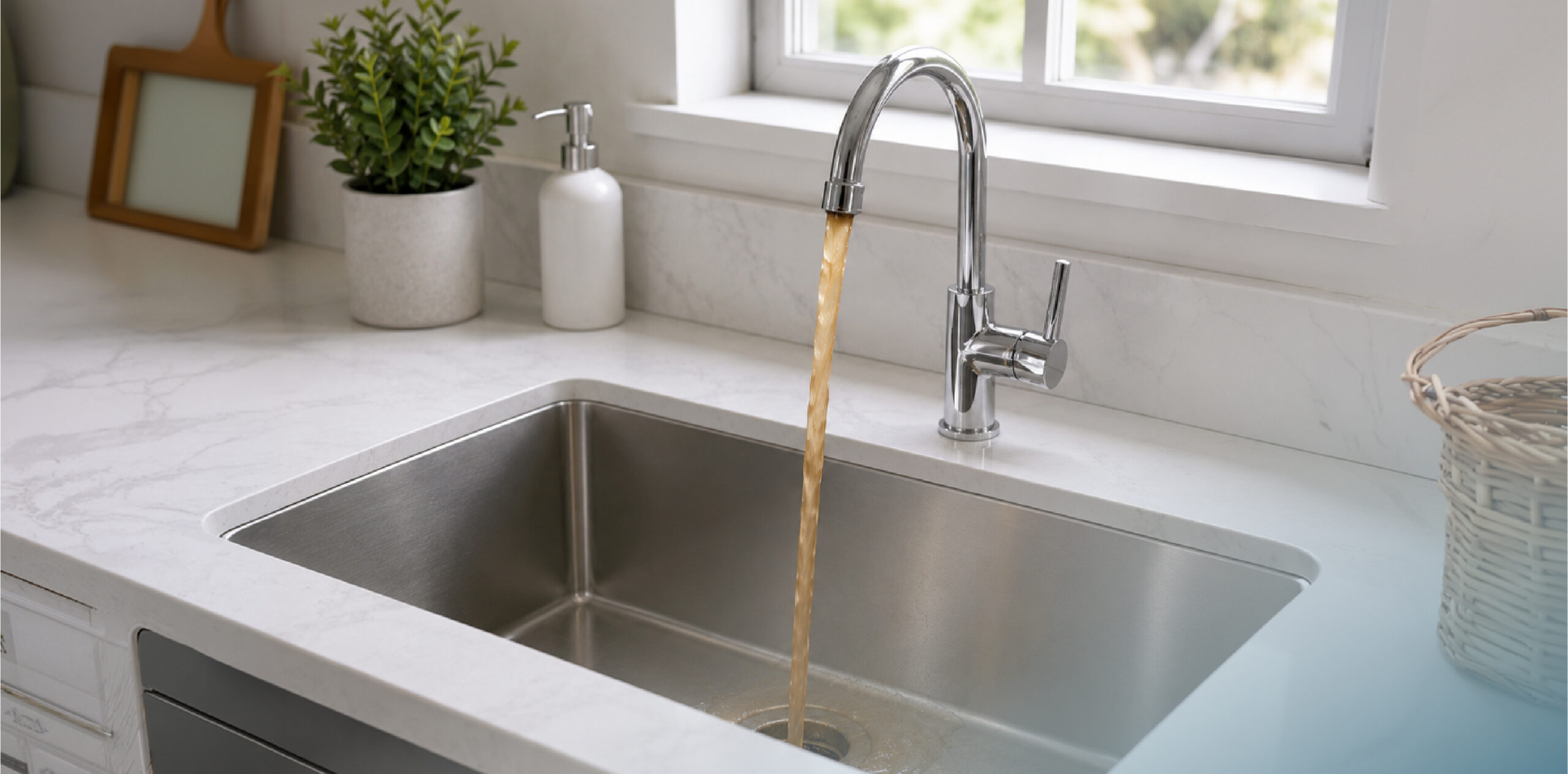
Rusty or Brown Water
If your tap water looks rusty, yellow, or brown, especially after the water has been sitting in the pipes overnight, corrosion may be happening inside your galvanized lines. This can also affect how your water tastes or smells.
Discolored water is not something to brush off. Even if it clears after running the faucet for a few seconds, it may point to buildup inside the plumbing system.
Low or Inconsistent Water Pressure
A weak shower is annoying. Weak water pressure throughout the whole house is a bigger red flag.
As corrosion builds up inside old pipes, it restricts water flow. That can make showers weaker, faucets slower, and appliances less efficient. If pressure is low in more than one fixture, old galvanized plumbing may be part of the problem.
Frequent Clogs or Fixture Buildup
If you are constantly cleaning faucet aerators, dealing with slow fixture performance, or noticing small mineral particles, your pipes may be shedding buildup from the inside.
That debris has to go somewhere. Over time, it can collect in faucets, showerheads, valves, and appliance connections.
Visible Corrosion or Small Leaks
Exposed pipes in basements, utility rooms, and crawl spaces can offer helpful clues. Look for rust, flaking, staining, corrosion, or small pinhole leaks.
A small leak may not seem urgent, but it can be a sign that other parts of the system are close behind.
Your Home Was Built Before the 1970s
Age alone does not guarantee a problem, but it does raise the odds. If your home still has original galvanized plumbing, it is worth having it inspected.
Many older homes in Central Iowa still have sections of outdated pipe hidden behind walls, ceilings, or basement areas.
Water Test Results Raise Concerns
A water test can reveal issues that are not obvious by sight or smell. Elevated iron, sediment, or possible lead risk may point to aging plumbing materials.
The U.S. Environmental Protection Agency notes that lead can enter drinking water when plumbing materials that contain lead corrode, especially where water chemistry contributes to that corrosion. That matters because some older galvanized systems may be connected to lead service lines or older plumbing components.
Health and Safety Concerns With Old Galvanized Plumbing
When homeowners think about old pipes, they usually think about leaks first. Leaks are a major concern, but water quality matters too.
Corroded galvanized pipes can release rust, iron, and other materials into the water. That can cause discoloration, stains, metallic taste, and reduced confidence in the water coming from your fixtures.
In some older homes, galvanized plumbing may also be tied into older service lines, fittings, or solder that raise additional concerns. The CDC explains that lead can enter drinking water through corrosion of plumbing materials that contain lead. If there is any concern about lead exposure, especially in a home with children or pregnant adults, it is smart to investigate sooner rather than later.
There is also the damage side of the equation. Aging pipes can fail with little warning. A sudden leak behind a wall, under a floor, or near a finished basement can lead to water damage, mold growth, ruined finishes, and expensive repairs.
What starts as a plumbing issue can quickly become a restoration project.
Replacing outdated pipes with modern, code-compliant plumbing helps reduce those risks and gives homeowners a more reliable system moving forward.
Galvanized Pipe Replacement Guide: Material Options
Not every repiping project uses the same materials. The right choice depends on your home, budget, layout, goals, and where the new pipes will be installed.
Modern Heating and Air helps homeowners compare options and choose what makes sense for their specific home, not a one-size-fits-all solution.
PEX
PEX, or cross-linked polyethylene, has become a popular choice for whole-house repiping.
Pros of PEX:
- Flexible and easier to route through tight spaces
- Often faster to install
- Corrosion-resistant
- Quieter than rigid pipe in many cases
- Usually lower in material cost than copper
Cons of PEX:
- Must be installed correctly
- Should be protected from UV exposure
- May require proper transition fittings in some applications
For many Central Iowa homes, PEX is a practical choice because it works well in older layouts and can help keep labor costs more manageable.
Copper
Copper remains a trusted plumbing material with a long track record.
Pros of copper:
- Durable and heat tolerant
- Strong performance history
- Familiar to many homeowners and buyers
- Good option for exposed areas
Cons of copper:
- Higher material and labor cost
- More rigid, which can make routing harder
- Can be affected by certain water chemistry conditions
Copper is often chosen by homeowners who prefer a traditional material or want a clean look in exposed areas.
CPVC and PVC
CPVC and PVC are used in certain plumbing applications, especially drain, waste, and vent systems.
Pros:
- Lower cost
- Corrosion-resistant in the right applications
- Useful for specific parts of the plumbing system
Cons:
- Not ideal for every supply-line use
- May not be the best fit for some exposed hot-water applications
- Application depends on code, system needs, and installation conditions
A Blended Approach
Many repiping projects use a mix of materials. For example, PEX may be used for most hidden supply lines, while copper may be used in exposed or high-visibility areas.
This balanced approach can help homeowners manage cost while still getting the durability, performance, and appearance they want.
What Does Galvanized Pipe Replacement Cost?
This is one of the first questions homeowners ask, and for good reason. A whole-house repipe is a major project, but it is also a long-term investment in your home’s function, safety, and value.
Costs can vary depending on the home, but here are common ballpark ranges for supply-line repiping in Central Iowa:
Small homes with 1 to 2 bathrooms:
$4,000 to $8,000
Medium homes with 2 to 3 bathrooms:
$6,000 to $12,000
Large or more complex homes:
$10,000 to $20,000 or more
The final cost depends on several factors, including:
- Home layout
- Accessibility behind walls and ceilings
- Material choice
- Number of bathrooms and fixtures
- Whether drain or sewer lines also need replacement
- Possible lead service-line replacement needs
- Drywall, ceiling, or floor restoration after plumbing work
A clear estimate matters. Modern Heating and Air provides itemized repiping estimates so you can see exactly what is included, compare options, and make decisions with confidence.
How Long Does Repiping Take?
The timeline depends on the size and complexity of the home, but most projects move faster than homeowners expect.
Inspection and estimate:
An on-site inspection can usually be scheduled within days, and the visit often takes about 1 to 2 hours.
Small repipe:
Typically 1 to 2 days
Medium repipe:
Typically 2 to 4 days
Large or complex repipe:
Typically 4 to 7 or more days
Permit timing can vary by municipality. Modern Heating and Air handles permits and inspections for you, which removes one more thing from your to-do list.
What to Expect During the Repiping Process
For many homeowners, the unknown is the stressful part. Knowing the process ahead of time helps make the project feel more manageable.
1. Inspection and Plumbing Map
The team starts with a full review of your existing plumbing system. If needed, water testing may also be recommended to better understand water quality concerns.
2. Itemized Proposal
You receive a clear proposal outlining material options, scope of work, timeline, and permit fees.
3. Permits and Scheduling
Modern Heating and Air handles permit coordination and helps schedule the project around your home and routine.
4. Protective Prep
Before work begins, the team protects floors, controls dust, and sets clear work areas.
5. Repiping Installation
New PEX or copper supply lines are installed. Valves are updated, and connections to fixtures and the water heater are completed.
6. Testing and Sanitation
The system is pressure tested, flushed, and sanitized according to code.
7. Cleanup and Final Repairs
Necessary patching is completed, work areas are cleaned, and the system is prepared for final inspection.
8. Walkthrough and Warranty Review
Before the job wraps up, you get a final walkthrough. Shutoff locations are reviewed, warranty paperwork is provided, and your questions are answered.
That kind of structure matters. A repipe is a big job, but it should not feel chaotic.
Financing, Rebates, and Resale Value
A repipe is an investment, but there may be ways to make it more manageable.
Modern Heating and Air offers financing plans that can help spread costs over time. That can be helpful for both planned upgrades and urgent replacements.
In some cases, utility, state, or local incentives may help offset certain plumbing-related upgrades, including lead-line replacement. Availability varies by location, so it is worth checking during the estimate process.
New plumbing can also be a strong selling point. Buyers like knowing a major home system has already been updated. It may reduce inspection concerns and give future buyers more confidence in the home.
In plain terms, galvanized pipe replacement can protect your day-to-day comfort now and support home value later.
Why Central Iowa Homeowners Choose Modern Heating and Air
When it comes to repiping, experience and trust matter.
Modern Heating and Air is an award-winning, locally owned contractor that Central Iowa homeowners know and rely on. The team understands the older housing stock found throughout Des Moines, Ames, Ankeny, West Des Moines, and nearby communities, and that local experience makes a difference.
Homeowners choose Modern Heating and Air because they get:
- Licensed and insured technicians
- Permit and inspection handling
- Transparent, itemized estimates
- Clear timelines and communication
- Strong warranties and after-service support
- A local team that lives and works in the same communities they serve
There is real peace of mind in hiring a company that treats your home with care and tells you exactly what to expect.
Feel Good Inside. Flo Pros you can trust.
Tips for Maintaining Plumbing After Repiping
Once your new plumbing is in place, a few simple steps can help protect it for the long haul.
Keep Shutoff Valves Labeled and Accessible
Know where your main shutoff is and make sure individual shutoff valves work properly. In an emergency, quick access matters.
Consider Water Treatment
If your home has hard water, a softener or filtration system may help protect plumbing fixtures and improve performance.
Do a Yearly Visual Check
Look at exposed plumbing once or twice a year for signs of leaks, wear, or moisture.
Save Your Records
Keep paperwork on materials, warranties, permits, and service history. That can be useful for future maintenance and resale.
When It Makes Sense to Act Now
Sometimes repiping can wait a little. Sometimes it should move to the top of the list.
You should consider acting now if:
- You are seeing rusty water
- Your water pressure has dropped
- You have had repeated leaks
- You are planning a remodel and walls will already be open
- A recent home inspection flagged galvanized pipes
- Water quality testing raised concerns
- Your home still has original plumbing from before the 1970s
A lot of homeowners wait until a pipe fails. That is understandable. But planned repiping is almost always less stressful than emergency plumbing repair after water damage.
Schedule Your Free Repiping Estimate
If your home has aging galvanized pipes, now is a good time to find out where you stand.
Modern Heating and Air helps Central Iowa homeowners improve water quality, restore water pressure, and replace outdated plumbing with confidence. From the first inspection to permits, installation, testing, cleanup, and final walkthrough, the team makes the process clear and manageable.
Use this Galvanized Pipe Replacement Guide as your starting point, then talk with a local pro who can evaluate your actual plumbing system.
If you are ready to understand your options, schedule a free on-site repiping estimate with Modern Heating and Air today. Call 515-635-5525 or request an appointment online.
Feel Good Inside. Flo Pros you can trust.
FAQs
What are galvanized pipes?
Galvanized pipes are steel pipes coated with zinc to help reduce corrosion. They were commonly used in older homes, but the coating can wear down over time and allow the steel underneath to rust.
How do I know if my home has galvanized pipes?
Homes built before the 1970s may have galvanized plumbing. Common signs include gray metal pipes, rusty water, low pressure, corrosion on exposed lines, or repeated leaks.
When should galvanized pipes be replaced?
Galvanized pipes should be inspected if you notice discolored water, low water pressure, visible corrosion, or frequent leaks. Replacement may be recommended if the system is deteriorating or affecting water quality.
What is the best replacement for galvanized pipes?
PEX and copper are two common replacement options. PEX is flexible, corrosion-resistant, and often more affordable to install. Copper is durable, proven, and often preferred for exposed areas.
How much does galvanized pipe replacement cost?
In Central Iowa, supply-line repiping may range from about $4,000 to $8,000 for smaller homes, $6,000 to $12,000 for medium homes, and $10,000 to $20,000 or more for larger or complex homes. Final pricing depends on layout, materials, accessibility, and scope.
Can galvanized pipes affect water quality?
Yes. Corrosion and buildup inside galvanized pipes can cause rusty water, metallic taste, sediment, and reduced water flow. In some older systems, there may also be concerns related to lead exposure from connected plumbing materials.Is repiping worth it for an older home?
Repiping can be worth it if your home has aging galvanized pipes, repeated leaks, water pressure issues, or water quality concerns. It can improve reliability, reduce risk, and support resale value.