


How to Prevent Basement Mold
A basement can look dry one day and smell musty the next. In Central Iowa, that shift can happen fast. Heavy spring rains, snowmelt, summer humidity, aging plumbing, and HVAC issues can all turn a basement into the perfect place for mold to grow. That is why knowing how to prevent basement mold starts with understanding one simple truth: mold almost always begins with moisture.
Basement mold is not just a cosmetic issue. It can trigger allergies, worsen asthma symptoms, irritate your lungs, damage drywall and wood, ruin stored belongings, and reduce the value of your home over time. A musty smell may seem minor at first, but it often points to a moisture problem that needs attention.
The good news is that basement mold can usually be prevented when the source of moisture is found and fixed. In this guide, we’ll walk through how to identify basement moisture problems, what to do right away, and which plumbing, HVAC, and structural repairs can help stop mold from coming back.
Why Basement Mold Is Common in Central Iowa
Central Iowa homes deal with a mix of conditions that can give mold a head start. Spring thaws can send water toward the foundation. Heavy rain can overwhelm drainage systems. Summer humidity can raise basement moisture levels. Older plumbing and HVAC systems can also add moisture behind the scenes.
Basements are naturally cooler than the upper levels of a home. When warm, humid air touches cool basement walls, pipes, ducts, or windows, condensation can form. Add one slow leak, one damp corner, or one poorly draining downspout, and mold has what it needs to grow.
According to the U.S. Environmental Protection Agency, “the key to mold control is moisture control.”
That point matters because cleaning mold without correcting the moisture source rarely solves the problem for long.
How to Prevent Basement Mold by Finding the Moisture Source
The first step in how to prevent basement mold is finding out where the moisture is coming from. Before you scrub, spray, or replace materials, identify the source. Otherwise, the mold may return.
Check for Plumbing Leaks
Start with the obvious plumbing areas:
- Exposed water supply lines
- Drain pipes
- Water heater connections
- Laundry hookups
- Basement bathroom fixtures
- Toilet seals and flanges
- Shutoff valves
- Appliance connections
Even a slow drip can keep nearby materials damp enough for mold to spread. A small plumbing leak behind a wall or under a fixture may not seem urgent, but over time it can create the exact environment mold needs.
Look for Hidden Leaks
Some leaks stay out of sight for months. If your water bill increases for no clear reason, or your water meter moves when nothing is running, you may have a hidden leak.
Slab leaks, damaged drain lines, and sewer line issues can also create long-term moisture in basements and crawlspaces. These problems often require professional leak detection or a camera inspection to locate.
Watch for Condensation
Not every moisture problem comes from a leak. Condensation is a major mold trigger in basements.
It often appears on:
- Cold foundation walls
- Ductwork
- Uninsulated water lines
- Metal surfaces
- Basement windows
If the air is humid and the surface is cool, water droplets can form. Repeated dampness can feed mold even if there is no active plumbing leak.
Inspect for Groundwater Intrusion
After rain or snowmelt, water may enter through the foundation if drainage around the home is poor.
Common causes include:
- Soil sloping toward the house
- Clogged gutters
- Short downspouts
- Foundation cracks
- Failing waterproofing systems
- Poor exterior drainage
If your basement smells worse after storms, groundwater may be part of the issue.
Do Not Ignore the Sump Pump
A sump pump is easy to forget until the day you need it. If it fails, loses power, or cannot keep up during heavy rain, basement moisture can spike quickly.
Check that your sump pump turns on, drains properly, and shuts off as expected. If your home is in a flood-prone area or has a finished basement, a battery backup system can provide extra protection during power outages.
Check Basement Humidity Levels
High basement humidity can come from everyday living too. Drying laundry indoors, poor ventilation, and HVAC systems that are not controlling moisture well can all raise relative humidity.
In general, basements should stay around 40% to 50% relative humidity. A simple hygrometer can help you monitor levels and spot problems early.
Signs You May Already Have Basement Mold
Basement mold does not always appear as obvious black spots on a wall. Sometimes the first clue is a smell or a change in how the basement feels.
Watch for:
- Musty odors
- Visible black, green, gray, or white growth
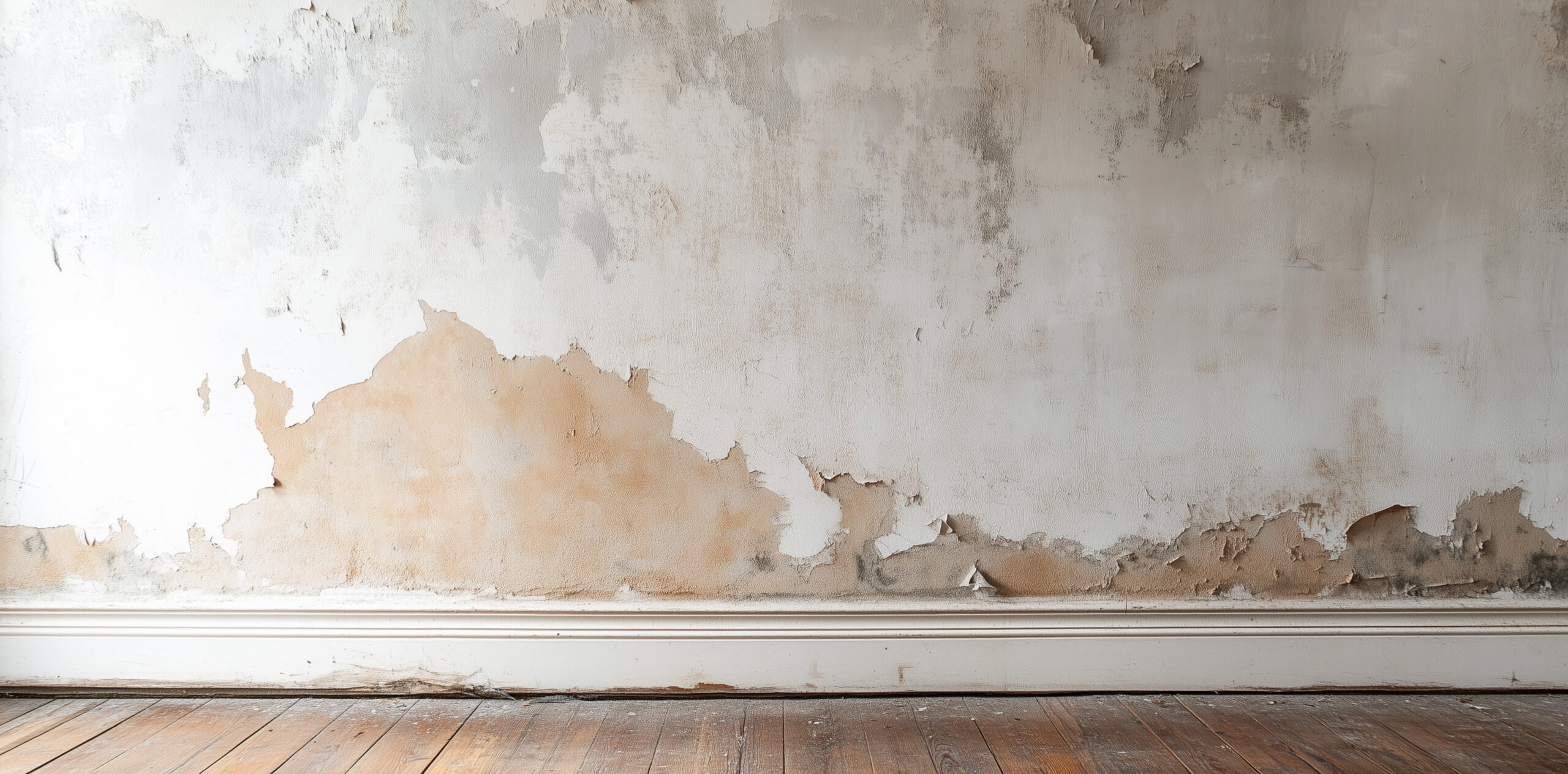
- Peeling paint
- White chalky residue on walls
- Warped trim or baseboards
- Water stains
- Damp stored boxes or fabrics
- Mold that keeps returning after cleaning
- Allergy or asthma symptoms that worsen indoors
If you notice these signs, do not stop at surface cleanup. Keep looking until you find the source of moisture.
What to Do Right Away
Once you spot mold or dampness, quick action can help limit the damage.
Stop Active Leaks and Remove Standing Water
If a pipe, fixture, appliance, or water heater is leaking, shut off the water if you can do so safely. Standing water should be removed as quickly as possible. The longer materials stay wet, the more likely mold is to spread.
Run a Dehumidifier
A good dehumidifier can make a big difference in a basement. Set it to 45% relative humidity or lower. If possible, connect it to a proper drain so it can run continuously without needing to be emptied by hand.
Remove Wet or Contaminated Materials
Some materials can be cleaned. Others may need to go.
Heavily contaminated porous materials often need to be removed, including:
- Carpet padding
- Insulation
- Ceiling tiles
- Drywall
- Cardboard storage boxes
- Fabric items that cannot be fully dried
Non-porous surfaces can often be cleaned and dried thoroughly.
Improve Airflow
Better airflow helps surfaces dry faster. Use fans, run exhaust systems, and open windows only when outdoor air is less humid than indoor air.
That last part matters in Iowa. On a humid summer day, opening basement windows can sometimes make the problem worse.
Use Proper Protection
For small cleanup jobs, wear gloves, eye protection, and an N95 mask. If the affected area is large, keeps returning, or may involve HVAC components, professional help is the safer option.
How to Prevent Basement Mold With Plumbing Repairs
Plumbing problems are one of the most common causes of basement mold. They are also one of the best places to start when creating a long-term prevention plan.
Repair Leaks Quickly
Small leaks rarely stay small. Corroded galvanized pipes, worn fittings, failed shutoff valves, loose appliance connections, and old water heater connections can all add steady moisture over time.
If your home has older piping, it may be worth considering repiping with PEX or copper. Replacing aging sections now can help prevent repeated water damage later.
Install or Repair a Sump Pump
A sump pump is one of the best defenses against basement water. If yours is old, undersized, unreliable, or struggling to keep up, upgrade it before the next heavy storm.
Battery backup systems are especially important because storms often bring power outages at the exact moment your sump pump is needed most. Some homes may also benefit from dual-pump systems or water alarms that alert you when water levels rise.
Address Drain and Sewer Line Problems
Broken drain lines and sewer lines can leak moisture into hidden spaces and create sanitation concerns at the same time. Root intrusion, pipe collapse, and joint failure are common issues in older homes.
Camera inspections can help pinpoint the problem. Depending on the issue, repairs may be more targeted than homeowners expect.
Secure Appliance Hookups
Laundry hoses, water heaters, humidifiers, and other water-using appliances should be checked regularly. A drain pan under the water heater, secure hose connections, and working shutoff valves can help prevent surprise leaks from becoming long-term mold problems.
How HVAC Helps Prevent Basement Mold
People do not always connect mold with HVAC, but moisture control is one of the biggest jobs your heating and cooling system handles.
Make Sure Your HVAC System Controls Humidity
If your HVAC system is oversized, short cycling, or not operating correctly, it may cool the air without removing enough moisture. That leaves your basement cool but damp, which is exactly what mold likes.
A professional system check can reveal whether your equipment is running properly and whether adjustments or upgrades could improve humidity control.
Seal and Insulate Ductwork
Leaky ducts can pull humid air into the system or deposit moisture where it does not belong. In basements and other cooler spaces, uninsulated ducts can also sweat.
Duct sealing and insulation can improve comfort, reduce condensation risk, and help your HVAC system operate more efficiently.
Vent Moisture Outdoors
Bath fans, kitchen exhaust fans, and proper ventilation all help keep indoor humidity balanced. If your home traps moisture inside, that moisture will eventually settle somewhere.
In some homes, an energy recovery ventilator may help bring in fresh air while limiting humidity concerns.
Clean Drip Pans and Condensate Lines
Condensate drains and drip pans are classic trouble spots. If water sits too long or the line clogs, mold can develop quickly.
Regular HVAC maintenance helps keep these components clean and draining properly.
Structural and Exterior Fixes That Help Prevent Basement Mold
Sometimes the mold problem starts outside the home and works its way in.
Improve Grading and Drainage
The ground around your home should slope away from the foundation. Gutters should stay clear, and downspouts should carry water several feet away from the house.
If roof runoff dumps water right next to the foundation, your basement may be paying the price.
Seal Foundation Cracks
Small foundation cracks can let in water during wet periods. Some can be sealed with epoxy or hydraulic cement. Larger or shifting cracks may point to bigger structural issues and should be evaluated professionally.
Consider Waterproofing Options
For basements with recurring seepage, waterproofing may be the best long-term answer. That may include interior perimeter drains, sump basin improvements, or exterior waterproofing systems.
The right fix depends on where the water is coming from and how often it happens.
Insulate Cold Surfaces
Insulating basement walls and exposed pipes can help reduce condensation. Use materials designed for below-grade spaces so the fix helps rather than trapping moisture.
When Mold Remediation May Be Needed
Not every mold issue requires a full remediation team, but some do.
Small areas may be manageable if the affected space is limited and the moisture source has been fixed. In those cases, hard surfaces can often be cleaned with soap and water or approved cleaning products. The key is complete drying afterward.
Larger areas need professional help. If mold covers a bigger space, keeps returning, or has reached HVAC components, professional remediation is the safer option.
Professional remediation may include:
- Containment
- HEPA air filtration
- Removal of contaminated materials
- Cleaning of affected surfaces
- Post-remediation verification
This is not the time for shortcuts. If mold spores spread during improper cleanup, the problem can move well beyond the basement.
How to Prevent Basement Mold From Coming Back
The final step in how to prevent basement mold is ongoing prevention. Once the source is fixed and the area is cleaned, small habits can help keep your basement dry.
Keep Humidity in the Right Range
Aim for 40% to 50% relative humidity in the basement. Use a hygrometer to monitor levels and run a dehumidifier when needed.
Schedule Annual Inspections
Yearly plumbing and HVAC inspections can catch small problems before they turn into mold. A minor valve leak, cracked drain fitting, sump pump issue, or clogged condensate line is much easier to fix early.
Store Items the Smart Way
Avoid keeping cardboard, paper, or fabric directly on concrete floors. Use shelving and sealed plastic bins instead.
Add Water Alarms
Water alarms near the sump pump, water heater, laundry area, and appliances can alert you to leaks before they become expensive.
Stay Ahead of Drainage Issues
Clean gutters, extend downspouts, and check grading regularly. A lot of basement moisture starts with a simple drainage problem outside.
When to Call Modern Heating and Air
Some basement mold problems are straightforward. Others involve several systems at once. That is often where homeowners get stuck.
If you are dealing with recurring moisture, hidden leaks, high basement humidity, sump pump issues, or HVAC concerns, a coordinated inspection can save time and guesswork.
Modern Heating and Air helps Central Iowa homeowners connect the dots between plumbing, ventilation, drainage, and mold prevention. Their team can help identify whether the issue is coming from a leak, a sump pump problem, poor airflow, high humidity, or multiple causes working together.
Modern Heating and Air can help when:
- Mold keeps coming back after cleanup
- You suspect a hidden leak or sewer line issue
- Your HVAC system may be adding to the humidity problem
- Your sump pump needs repair, replacement, or a battery backup
- You want one plan that addresses plumbing, HVAC, and basement moisture together
With local plumbing and HVAC expertise, Modern Heating and Air can help you find the source, fix the problem, and reduce the risk of repeat moisture issues.
Schedule a Mold-Prevention Inspection
A musty basement is not something to ignore and hope away. If your home has signs of mold, persistent dampness, or unexplained basement humidity, now is the time to act.
Modern Heating and Air is Central Iowa’s locally owned, award-winning team for plumbing, HVAC, and basement moisture control. The team provides mold-prevention inspections, leak and repiping solutions, sump pump service, HVAC performance checks, and coordinated support when remediation is needed.
Schedule your mold-prevention inspection with Modern Heating and Air today. They’ll help you find the source, fix the problem, and protect your home from repeat moisture issues.
Feel Good Inside. Flo Pros you can trust.
FAQs
What causes basement mold?
Basement mold is usually caused by excess moisture. Common sources include plumbing leaks, high humidity, condensation, foundation seepage, sump pump failure, and poor exterior drainage.
How do I know if my basement has mold?
Common signs include musty odors, visible growth, peeling paint, water stains, damp storage items, warped trim, and mold that returns after cleaning.
What humidity level prevents basement mold?
Most basements should stay around 40% to 50% relative humidity. A hygrometer can help you monitor levels, and a dehumidifier can help control moisture.
Can HVAC problems cause basement mold?
Yes. Poor humidity control, short cycling, clogged condensate lines, leaky ducts, and poor ventilation can all contribute to basement moisture and mold growth.
Can a sump pump prevent basement mold?
A working sump pump can help prevent basement water buildup, which reduces mold risk. A battery backup provides extra protection during storms and power outages.
When should I call a professional for basement mold?
Call a professional if mold keeps returning, covers a large area, appears near HVAC components, or seems connected to hidden leaks, high humidity, or foundation water intrusion.